
We often don’t realize how important our kidneys are for our bodies. They clean our blood and remove harmful substances and excess fluid from the body. But when kidney function deteriorates for various reasons, they can no longer perform these tasks. This is where dialysis comes in.
Dialysis mimics the job of the kidneys and clears toxins, waste and excess fluid from the blood. There are two main types of dialysis: hemodialysis and peritoneal dialysis. The aim of both methods is to maintain the body’s balance while protecting patients’ quality of life.
Types of Dialysis: Which One Is Right for You?
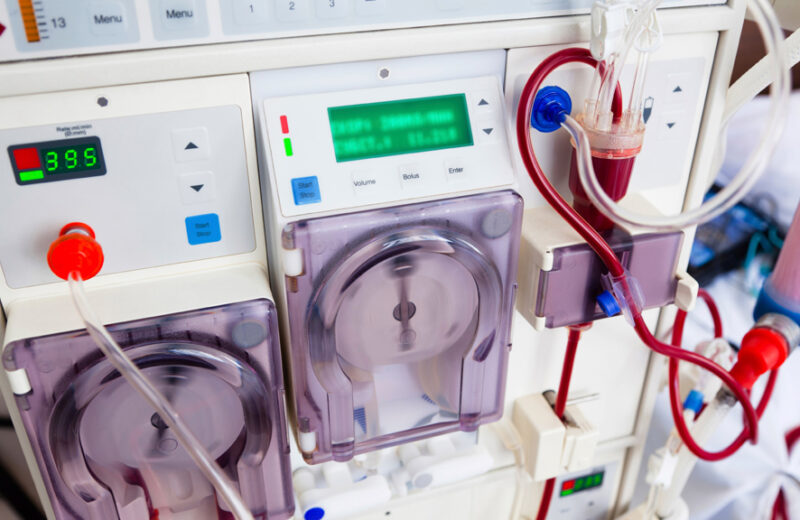
In hemodialysis, blood is taken from the body, cleaned by a machine and returned to the body. This procedure, usually done several times a week with each session lasting 3–4 hours, can be carried out at a medical center or at home.
The advantages of hemodialysis include the effective and rapid removal of toxins, while the need for regular clinic visits can be seen as a disadvantage.
Peritoneal dialysis cleans the blood using the body’s own natural filter, the lining of the abdomen. In this method, a special dialysis fluid is filled through a catheter placed in the abdominal cavity. This fluid draws out waste and excess fluid and is then drained.
Peritoneal dialysis can usually be done at home and involves fewer restrictions. However, care must be taken because of the risk of infection.
Who Needs Dialysis?
People with kidney failure usually turn to dialysis treatment. Conditions such as chronic kidney disease (CKD), diabetes, high blood pressure and genetic diseases can affect kidney function. In such cases, dialysis offers a life-saving solution.
Before treatment begins, a detailed assessment is carried out by an expert nephrologist. The type of dialysis is chosen taking into account the patient’s lifestyle, health and personal preferences.
What Should You Pay Attention to During Dialysis?
Patients receiving dialysis need to make some changes to their lifestyle. Here are the key points:
- Diet: It is important to follow a diet limited in potassium, phosphorus and sodium. For example, you may need to reduce salt and choose suitable protein sources.
- Fluid Intake: Drinking too much fluid can build up in the body and lead to edema or blood pressure problems. Take care to drink the amount your doctor recommends.
- Regular Check-Ups: Routine tests at the dialysis center are critical for monitoring the effectiveness of treatment.
Can Dialysis Improve Quality of Life?
Yes, with the right treatment and lifestyle changes, dialysis patients can enjoy a high quality of life. Dialysis technology is very advanced today. Home dialysis gives patients more freedom, while modern machines have made the procedure more comfortable.
It is also important for patients to receive psychological support. Coping with a chronic illness can be difficult, but family support and professional help can make the process easier.
Frequently Asked Questions About Dialysis
- Is dialysis painful?
No, dialysis is usually a painless procedure. However, mild discomfort may be felt when a fistula is created or a catheter is inserted. - Is dialysis treatment permanent?
Unless a kidney transplant is possible or kidney function recovers completely, dialysis usually continues for a long time. - Can I work during dialysis?
Yes, many patients continue working. Hemodialysis can be scheduled appropriately, or home dialysis options can be chosen.
Conclusion: A Healthy Life Is Possible with Dialysis
Dialysis is a treatment method that saves the lives of patients with kidney failure and improves their quality of life. With the right treatment plan and lifestyle adjustments, dialysis patients can continue their daily activities and spend quality time with their loved ones.
If you want more information about dialysis, you can consult a nephrologist for the right guidance. Don’t neglect your health, because life is always our most precious gift.