What Is Dialysis and Why Is It Necessary?
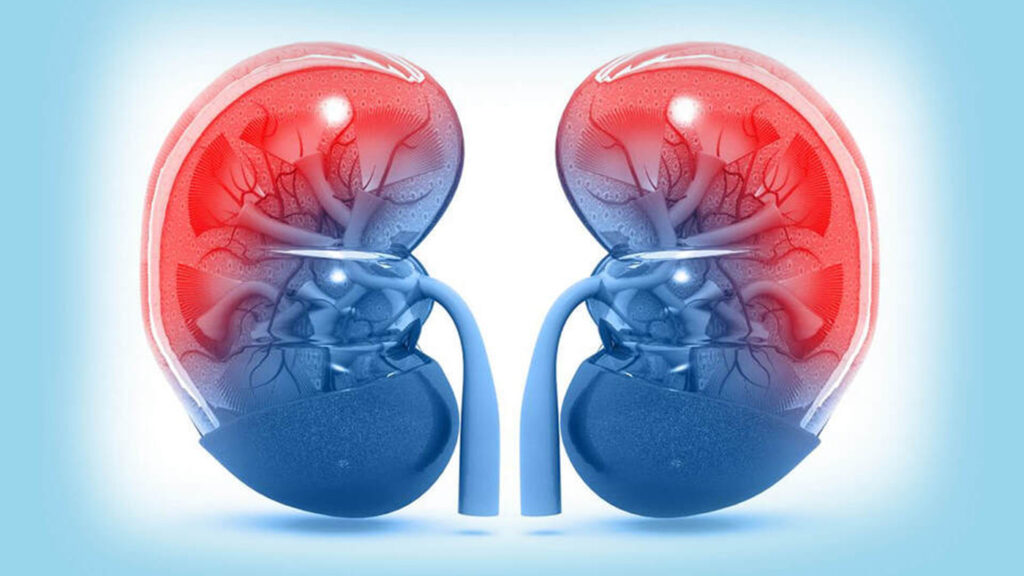
The kidneys perform vital tasks for our body, such as filtering the blood, removing waste products and maintaining fluid–electrolyte balance. However, when the kidneys lose their function, the body can no longer perform these tasks, and toxins can build up and cause serious health problems. This is where dialysis comes in. Dialysis is a treatment method that artificially performs the function of the kidneys and is life-saving for patients with kidney failure.
What Are the Types of Dialysis?
Dialysis is applied in two main ways:
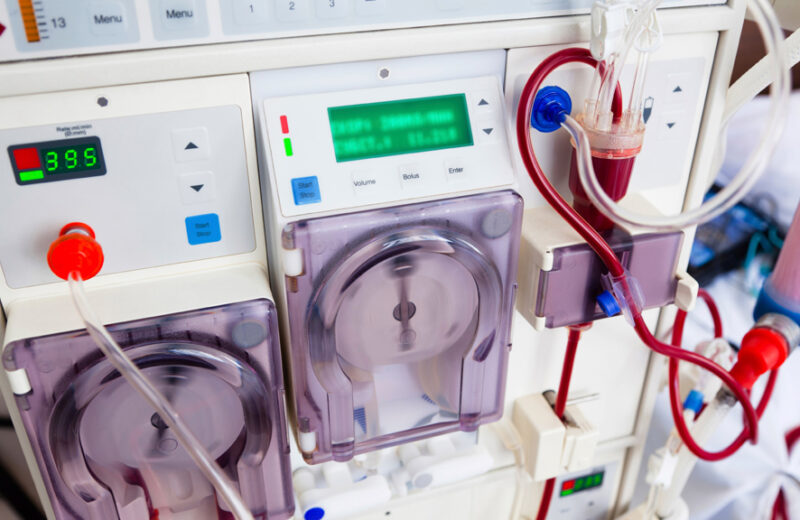
- Hemodialysis: Blood is taken outside the body by a machine, toxins and excess fluids are filtered out, and the cleaned blood is returned to the body.
- Peritoneal Dialysis: Waste products and excess fluids are cleared using a special fluid (dialysate) through a catheter placed in the abdominal cavity.
Both methods have the same goal, but the choice depends on the patient’s lifestyle, health and preferences.
Who Needs Dialysis?
Dialysis is necessary especially in the following situations:
- Chronic Kidney Failure: It becomes essential for patients who have lost 85–90% of their kidney function.
- Acute Kidney Failure: It is used in cases of sudden, temporary loss of kidney function.
- Certain Cases of Poisoning: Dialysis can help remove toxins from the blood quickly.
Benefits and Risks of Dialysis
Benefits:
- Cleansing the blood of toxins and excess fluid allows the body to maintain its normal functions.
- It helps prevent complications such as edema, high blood pressure and heart failure.
- Side effects such as a drop in blood pressure (hypotension), muscle cramps and infection may occur.
- In long-term treatment, there may be a risk of vascular access problems or infection of the abdominal lining (peritonitis).
How Does the Dialysis Process Work?
The Hemodialysis Process:
- Treatment is usually given 3 times a week, with each session lasting about 4 hours.
- Blood is taken into the machine through a fistula or catheter, cleaned and returned to the body.
- In peritoneal dialysis, patients can do the treatment at home through a catheter placed in the abdominal cavity.
- Dialysate fluid is introduced into the abdominal cavity; after a while, the fluid, now full of toxins, is drained and replaced with fresh fluid.
Living with Dialysis: What to Pay Attention To
Patients receiving dialysis need to make some changes to their lifestyle:
- Diet and Fluid Intake: A special diet limiting minerals such as potassium, phosphorus and sodium should be followed. Fluid intake should also be controlled by a doctor.
- Medication: Dialysis patients should take kidney-supporting medications regularly and follow their doctor’s advice.
- Physical Activity: Light exercise and walks can help improve overall health.
Türkiye’s Position in Dialysis Treatment
Türkiye provides advanced healthcare in dialysis treatment. Dialysis centers are widespread in both private and public hospitals, and patients have easy access to treatment. There are also well-developed dialysis tourism options for patients from abroad.
Dialysis and Kidney Transplantation: An Alternative Solution
Kidney transplantation is an alternative to dialysis. When a suitable donor is found, the patient can be completely freed from dialysis after a successful transplant. However, due to the shortage of organ donations, dialysis remains the only option for many patients.
Conclusion:
Dialysis is a vital treatment for patients with kidney failure. With the right treatment plan and lifestyle changes, patients can lead good-quality lives. If you have questions about dialysis or kidney health, it is important to consult a specialist. Remember, early diagnosis and regular check-ups are the key to protecting your kidney health.