The kidneys are critical organs for the healthy functioning of our body. They perform important tasks such as filtering the blood and removing waste products and excess fluids. However, when the kidneys are damaged, these functions can be impaired and patients may need dialysis treatment. In this article, we look in detail at the functions of the kidneys, kidney failure and dialysis treatment.
What Are the Kidneys and What Do They Do?
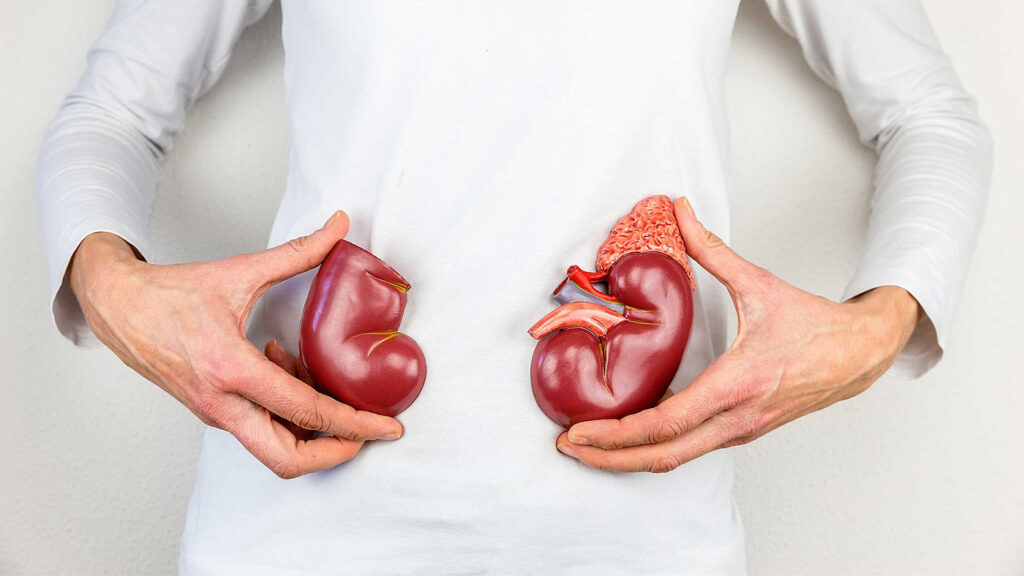
We have two kidneys: bean-shaped organs about 10–12 cm long. The main functions of the kidneys are:
- Filtering the Blood: Waste products and excess fluids that build up in the body are filtered by the kidneys.
- Electrolyte Balance: They balance the levels of electrolytes such as sodium, potassium and calcium.
- Acid–Base Balance: They regulate how acidic or alkaline the body is.
- Regulating Blood Pressure: They control blood pressure through a hormone called renin.
- Red Blood Cell Production: The kidneys produce a hormone called erythropoietin, which enables the bone marrow to produce red blood cells.
Kidney failure is a condition in which the kidneys cannot perform their normal functions. It can be acute or chronic.
- Acute Kidney Failure: Kidney function deteriorates suddenly and can usually be reversed with treatment. Acute kidney failure is often caused by infections, medications or trauma.
- Chronic Kidney Failure: Kidney function deteriorates over time and, if untreated, the kidneys are lost. Diabetes, high blood pressure and long-term kidney diseases can lead to chronic kidney failure.
Kidney Failure and Dialysis
When the kidneys are seriously damaged, the body cannot effectively remove waste products and excess fluids. In this situation, dialysis is a treatment method that temporarily performs the function of the kidneys. Dialysis mimics the filtering function of the kidneys and clears waste that builds up in the body.
Dialysis can be performed in two main ways:
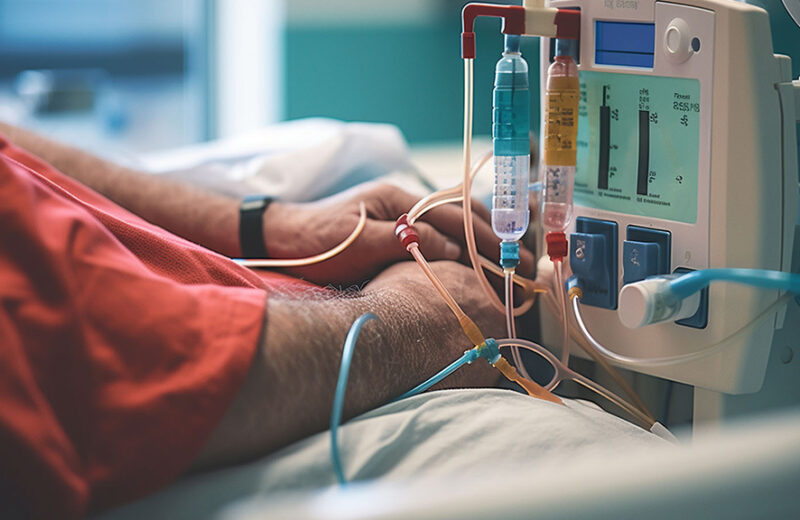
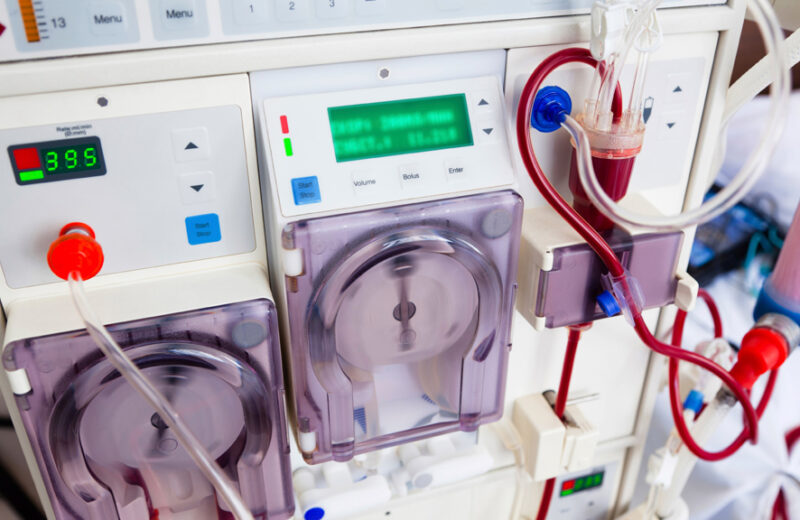
Hemodialysis is the process of taking blood out of the body and passing it through a special machine. After the blood is cleaned by the dialysis device, it is returned to the body. Hemodialysis is usually given 3 times a week, in sessions lasting 3–5 hours each. This treatment is usually carried out at a hospital or dialysis center.
Peritoneal dialysis is performed through a catheter placed in the abdomen. This method can be done at home and is a more flexible form of treatment. In peritoneal dialysis, the body’s abdominal lining (peritoneum) is used as a filter. Dialysis fluid is introduced into the abdominal cavity, where waste products and fluids collect, and is then drained out.
Side Effects and Risks of Dialysis Treatment
Dialysis can be life-saving for patients with kidney failure, but it can also carry some side effects and risks:
- Pain and Discomfort: Patients may feel discomfort while blood is being drawn and returned during hemodialysis.
- Infections: The vascular access sites used in hemodialysis or the catheter sites in peritoneal dialysis can carry a risk of infection.
- Fluid Imbalance: Fluid loss or fluid build-up can occur during dialysis, which can affect blood pressure and the body’s fluid balance.
- Fatigue and Weakness: Feeling tired and weak after dialysis sessions is common.
What Can Be Done to Prevent Kidney Failure?
Healthy lifestyle habits are very important for preventing kidney disease and protecting kidney health:
- Healthy Eating: A low-sodium, low-protein and balanced diet protects kidney health.
- Regular Exercise: Physical activity improves kidney function and helps prevent conditions such as diabetes that cause kidney disease.
- Controlling High Blood Pressure: High blood pressure can cause kidney damage, so regular blood pressure checks are important.
- Managing Diabetes: Diabetes is one of the most common causes of kidney disease. Keeping blood sugar levels under control is critical for kidney health.
- Avoiding Smoking and Alcohol: Smoking and excessive alcohol can harm kidney health.
Kidney diseases can be controlled with early diagnosis and the right treatment. Dialysis is a life-saving treatment for patients with kidney failure. However, adopting a healthy lifestyle is the most effective way to protect kidney health and prevent kidney disease. If you have concerns about kidney disease, you can consult a healthcare professional, have the necessary tests and start treatment.