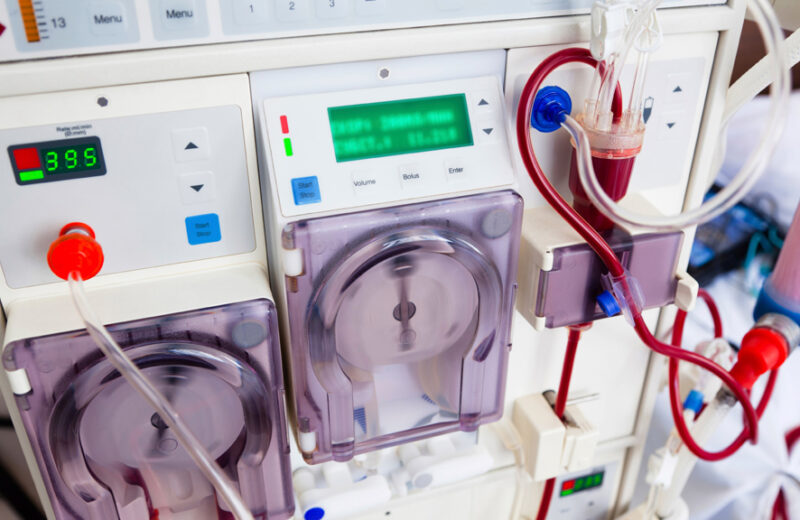

For patients receiving dialysis, proper nutrition is very important for the success of treatment and overall health. Although dialysis takes over the kidneys’ job of removing toxins and excess fluid from the body, paying attention to your diet can help your body manage this process more efficiently. So how should dialysis patients eat? What should they pay attention to in their diet?
The Importance of Diet for Dialysis Patients
Kidney disease and dialysis treatment directly affect the body’s fluid balance and electrolyte levels. Poor eating habits can disturb the balance of minerals such as potassium and phosphorus in the body, which can lead to serious health problems. It is therefore essential for dialysis patients to follow a special nutrition plan.
Nutrients Dialysis Patients Should Pay Attention To
-
Protein Intake
Adequate protein intake is necessary to prevent muscle loss during dialysis. However, too much protein can strain the kidneys. To strike this balance, you should choose your protein sources carefully. It is important to prioritize high-quality protein sources such as chicken, fish and eggs. -
Controlling Potassium Levels
Potassium is a critical mineral for muscle function in the body, but too much potassium can cause heart rhythm disorders. It is therefore necessary to limit potassium-rich foods such as bananas, oranges, tomatoes and potatoes. Instead, low-potassium fruits such as apples, grapes and strawberries can be chosen. -
Phosphorus Intake
Phosphorus is important for bone health, but when excess phosphorus cannot be processed by the kidneys, it builds up in the blood and can cause bone problems. Phosphorus-rich foods such as dairy products, cheese and yogurt should be eaten with care. Processed and ready-made foods also contain a lot of phosphorus, so reading labels is very helpful. -
Fluid Intake
Dialysis patients need to be careful about their fluid intake. Taking in more fluid than the body needs can put pressure on the heart and lungs during dialysis. It is therefore important to limit fluid intake and follow the amount your doctor recommends. -
Sodium Intake
When sodium intake is not controlled, it can raise blood pressure and cause the body to retain water. Avoiding salty foods, checking the sodium content on labels and choosing less salty alternatives are very important here.
Recommended Foods for Dialysis Patients
Some foods dialysis patients can eat are:
- Low-potassium fruits: Apples, strawberries, grapes, blueberries
- Vegetables: Carrots, cauliflower, green beans, broccoli
- Protein sources: Chicken, turkey, fish, egg whites
- Low-phosphorus foods: Rice, white bread, pasta
- Ice chips and lemon slices for fluid control
Foods to Avoid on a Dialysis Diet
Some foods dialysis patients should avoid are:
- High-potassium foods: Bananas, oranges, avocados, potatoes
- High-phosphorus foods: Milk, cheese, yogurt, processed foods
- Salty foods: Crisps, pickles, processed meat products
Dietitian Support and a Personal Diet Plan
The nutritional needs of dialysis patients can vary from person to person. Working with a dietitian is therefore helpful for creating the right nutrition plan. Dietitians can prepare a special diet plan based on the patient’s age, weight, dialysis frequency and other health conditions.
For dialysis patients, proper nutrition is one of the most important parts of treatment. A healthy, balanced diet provides the nutrients the body needs while easing the load on the kidneys. At RenMed, we help our patients lead healthy lives by offering them the right nutritional advice. Contact us if you would like more information about the special diet plans we prepare for dialysis patients.