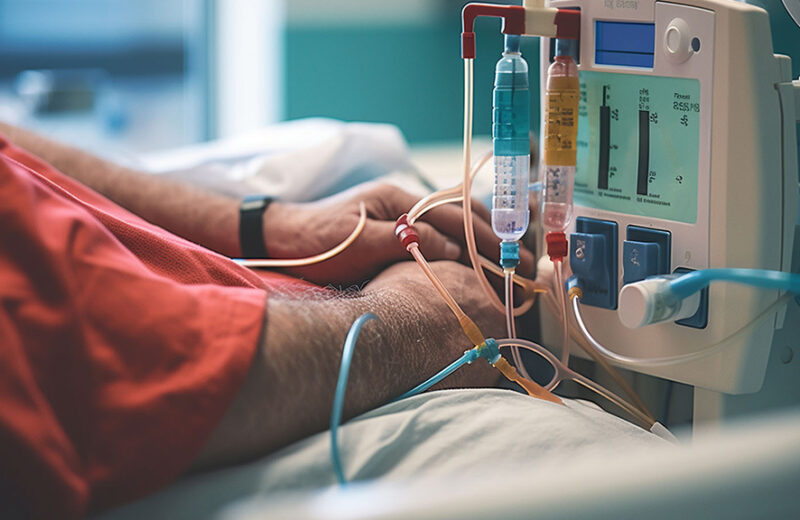
Dialysis is an important treatment method used to improve the quality of life of people with kidney failure. When the kidneys cannot perform the task of filtering toxins in the body, dialysis takes over and protects patients’ health. In this article, we look in detail at the basic information you need to know about dialysis and the treatment process.
Dialysis is essentially divided into two main types:
-
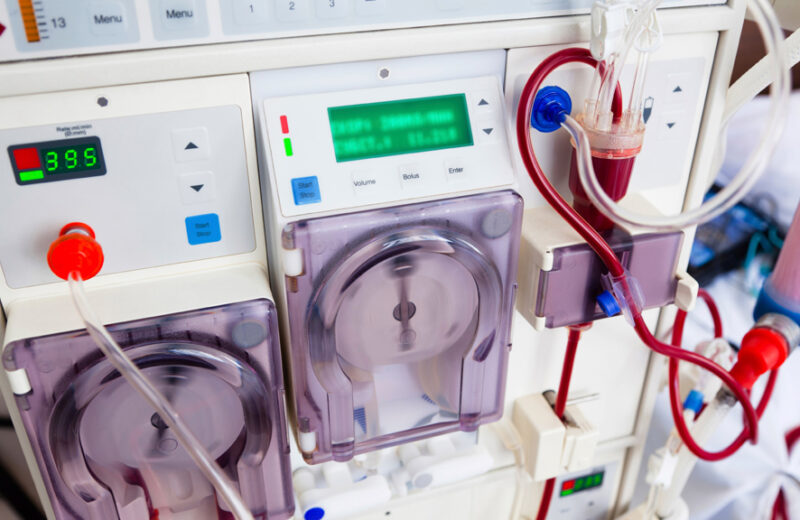
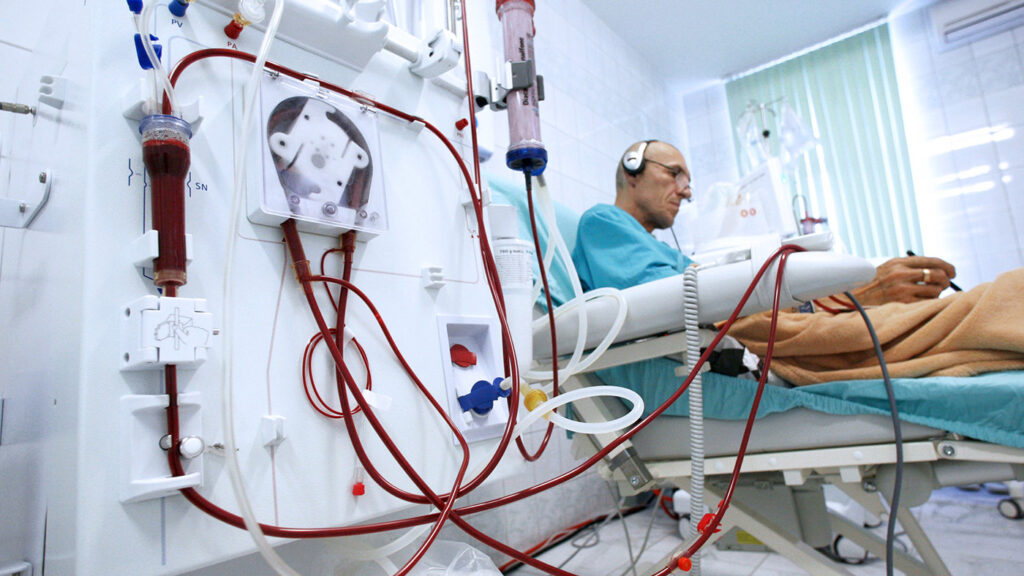
Hemodialysis: The process of taking blood outside the body through a machine, filtering and cleaning it, and then returning it to the body. It is usually done three times a week, with each session lasting 3–5 hours.
-
Peritoneal Dialysis: This method, which uses the abdominal lining (peritoneum), is performed through a catheter placed in the patient’s abdomen. With this method, patients can perform dialysis themselves.
The dialysis process can vary according to the patient’s general health, the type of dialysis and personal needs. Here is a typical hemodialysis process:
-
Preparation: Before the session begins, the nurse checks the patient’s blood pressure and performs blood tests.
-
Drawing Blood: Blood is drawn from the patient’s body and directed to the dialysis machine. At this stage, the patient must have an access point in their vessels (fistula or graft).
-
Filtration: The machine filters the blood, separates out waste products and returns the cleaned blood.
-
Completing the Session: At the end of the session, the blood is returned to the body. The nurse checks the patient’s condition and makes any necessary interventions.
Dialysis and Quality of Life
Dialysis can significantly improve patients’ quality of life. However, this process requires patients to be supported psychologically and physically. As a dialysis center, we provide education, support groups and individual counseling to offer our patients the best service.
Dialysis is a vital treatment method for people with kidney failure. At Ren-Med Dialysis Center, we provide our patients with comprehensive care and help them lead healthy lives. Contact us for more information about the dialysis process or to book an appointment.