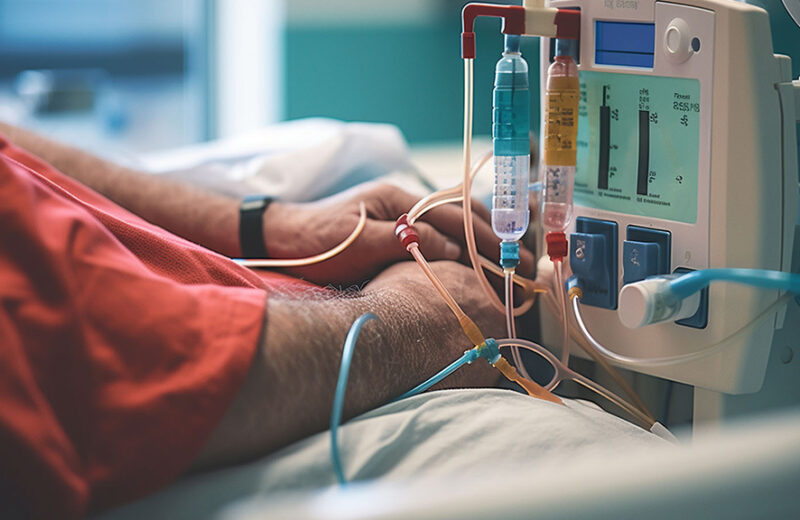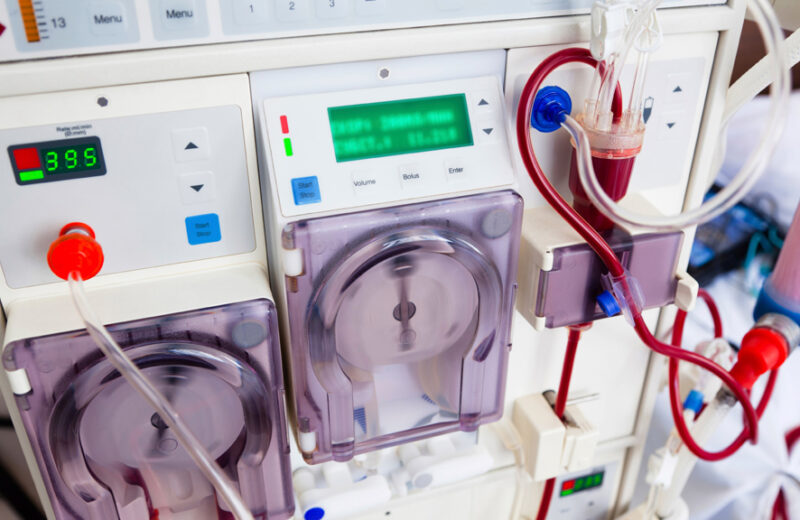
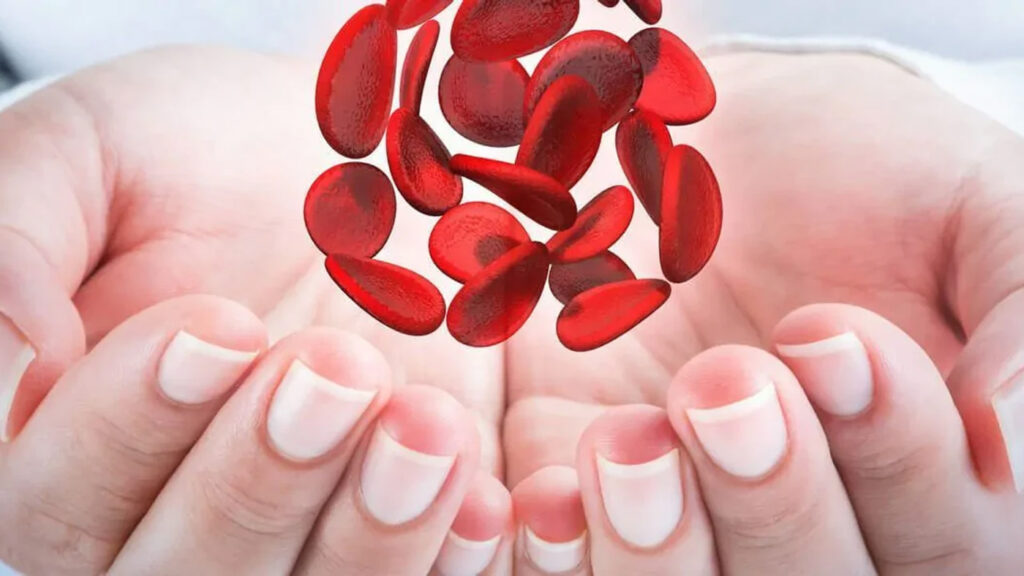
People receiving dialysis may face a range of health problems because their kidney function is reduced. One of these problems is anemia. Anemia is a condition in which the body does not have enough healthy red blood cells, and it is very common in dialysis patients. However, with the right treatment and lifestyle changes, anemia can be managed. In this article, we explore ways to cope with anemia during dialysis treatment.
The Relationship Between Dialysis and Anemia
Dialysis is a method used to clean the blood and remove toxins that build up in the body when the kidneys cannot perform their functions. However, reduced kidney function also lowers the production of erythropoietin (EPO). EPO is a hormone produced by the kidneys that stimulates the production of red blood cells. A decrease in this hormone leads to anemia.
In addition, blood loss during dialysis, nutritional deficiencies and difficulties in maintaining the body’s fluid balance can also trigger anemia.
Symptoms of Anemia During Dialysis Treatment
The symptoms of anemia in people on dialysis vary depending on its severity. The most common symptoms include:
- Fatigue and weakness
- Shortness of breath
- Rapid heartbeat
- Pale skin
- Dizziness or feeling faint
- Difficulty concentrating
Methods Used to Treat Anemia
There are many methods for treating anemia in dialysis patients. Here are some of them:
- Erythropoietin (EPO) Therapy:
The hormone erythropoietin is one of the most commonly used medications for treating anemia. EPO given from outside increases the production of red blood cells and treats anemia. EPO therapy is frequently used in dialysis patients to keep anemia under control. - Iron Supplements:
Iron plays an important role in the production of red blood cells. Iron deficiency is common in dialysis patients. Iron supplements (oral or intravenous) can therefore be used to raise iron levels and treat anemia. - Diet and Nutrition:
The eating habits of dialysis patients have a big effect on the levels of iron and other nutrients in their bodies. Iron-rich foods (red meat, liver, green leafy vegetables, lentils, etc.) and foods containing vitamin C (oranges, peppers, strawberries) should be eaten. In addition, because vitamin B12 and folic acid deficiencies can also lead to anemia, attention should be paid to the intake of these vitamins. - Blood Transfusions:
If anemia is very severe and other treatment methods are not sufficient, blood transfusions may be needed. This method replaces the missing red blood cells. However, this treatment can also have side effects, so it should be done on a physician’s recommendation. - Dialysis Session Length and Frequency:
The frequency and length of dialysis treatment can affect anemia. Insufficient dialysis sessions can mean that not enough toxins are removed from the body, which can make anemia worse. Sticking to the session frequency and length recommended by the physician is an important step in managing anemia.
Lifestyle Changes to Cope with Anemia
Lifestyle changes are also very important for coping with anemia during dialysis. Here are some suggestions:
- Regular Exercise: Light exercise can increase the body’s oxygen-carrying capacity and reduce fatigue.
- Enough Sleep: Regular, good-quality sleep allows the body to recover and restore its energy.
- Fluid Balance: It is important for dialysis patients to monitor their fluid intake and output. Excess fluid intake can put an extra burden on the heart.
- Stress Management: Stress can worsen anemia symptoms, so relaxation techniques (meditation, yoga, deep breathing) can be beneficial.
For people receiving dialysis, anemia is an important health problem that needs to be managed. However, with the right treatment methods and lifestyle changes, anemia can be managed and patients’ quality of life improved. If you are receiving dialysis, you should talk to your doctor as soon as you notice symptoms of anemia and start appropriate treatment. Remember, early treatment can improve your quality of life.