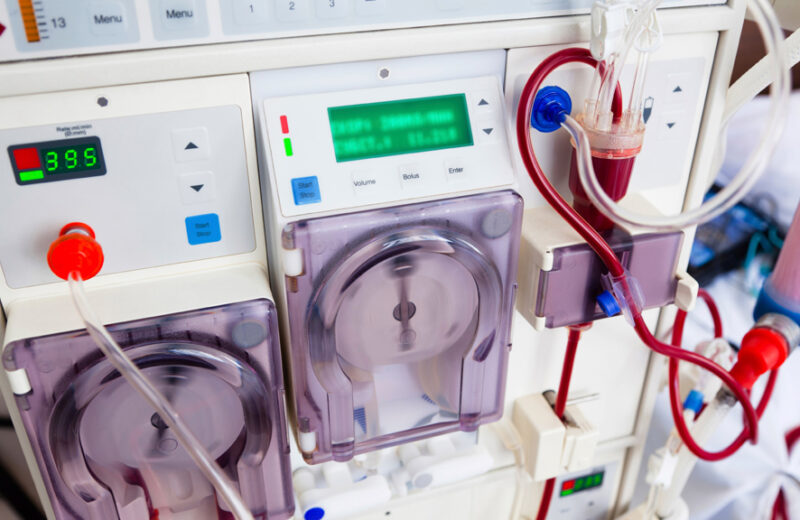

Dialysis is needed when kidney function is seriously impaired and the blood must be cleaned. In this process, proper nutrition is very important for improving dialysis patients’ quality of life and supporting kidney function. A healthy diet during dialysis both eases the load on the kidneys and improves patients’ overall health.
Dialysis is a treatment method that takes over the job of the kidneys. The kidneys maintain electrolyte balance by removing waste and excess fluid from the body. In kidney failure, however, dialysis machines perform these tasks. Dialysis patients should pay special attention to their diet during treatment, because some foods can build up in the body and cause bigger health problems.
Nutritional Needs of Dialysis Patients
There are some basic rules in the diet of dialysis patients. These rules help reduce waste build-up in the body, maintain fluid balance and improve electrolyte levels. Below are the important points to watch in the diet of dialysis patients:
- Watch Your Fluid Intake: Dialysis patients should pay particular attention to their fluid intake. Excess fluid built up in the body can put an extra load on the heart and kidneys. You should limit your fluid intake according to your dietitian’s recommendations and keep it under control.
- Reduce Potassium Intake: It is very important for dialysis patients to control their potassium levels. Potassium directly affects heart health, and high potassium levels can lead to heart rhythm disorders. Foods rich in potassium (such as bananas, potatoes and tomatoes) should be avoided.
- Keep Phosphorus and Calcium in Balance: High phosphorus is common in dialysis patients. Foods containing phosphorus (such as milk, cheese, yogurt and red meat) should therefore be avoided and attention paid to calcium intake. However, calcium levels must also be kept balanced, because too much calcium can also cause health problems.
- Control Protein Intake: It is important for dialysis patients to get enough protein, but too much protein can overload the kidneys. You should choose high-quality protein sources in the amount your dietitian recommends. Low-phosphorus protein sources such as eggs, chicken and fish can be ideal.
- Limit Sodium: Sodium can affect fluid balance in the body. Dialysis patients should avoid salt and foods containing sodium and stay away from processed foods and fast food.
Recommended Foods for Dialysis Patients
Some foods provide the body with the nutrients it needs while helping ease the load on the kidneys. Here are some recommended foods:
- Low-Potassium Vegetables: Vegetables low in potassium, such as cauliflower, green beans, lettuce and cucumber, are suitable for dialysis patients.
- Chicken and Fish: Chicken and fish are low in phosphorus and a source of high-quality protein.
- Eggs: A high-quality protein source that can be eaten in balance, avoiding excessive amounts.
- White Rice and Pasta: Wheat products and white rice, being low in potassium, are more suitable options for dialysis patients.
- Milk Alternatives: Milks high in calcium can be a suitable option for dialysis patients, but attention should be paid to their phosphorus content.
Foods Dialysis Patients Should Avoid
Some foods can harm the body during treatment. Here are a few:
- High-Potassium Foods: Potassium-rich foods such as bananas, potatoes, tomatoes and avocados should be avoided.
- Foods Containing Phosphorus: High-phosphorus foods such as cheese, milk, nuts and red meat should be limited.
- Processed Foods: Canned foods, fast food and salty snacks should not be part of a dialysis patient’s diet because they are high in sodium.
Other Points Dialysis Patients Should Pay Attention To
- Regular Check-Ups: Dialysis patients should see their doctors regularly and have blood tests to check whether their diet is right.
- Oral and Dental Care: Dialysis patients also need to pay special attention to oral health, as kidney disease can increase the risk of infection in the mouth.
- Exercise: Light exercise can improve dialysis patients’ overall health and help with weight control. However, approval from a specialist must be obtained before exercising.
Proper nutrition is critical for dialysis patients to lead a healthy life. To support kidney health, maintain electrolyte balance and prevent fluid build-up, dialysis patients need to take care with their diet. Creating personalized diet plans under the guidance of a dietitian increases the success of treatment. By following the recommendations of their doctors and dietitians, dialysis patients can lead healthier lives.