The kidneys are among the most important organs in our body. By filtering the blood and removing toxins and excess fluid from the body, they are vital for a healthy life. However, kidney diseases can lead to serious health problems that harm many people’s quality of life. In advanced kidney failure, dialysis treatment steps in. So what should you pay attention to in order to protect kidney health? What is dialysis and how does it work? Here is what you need to know…
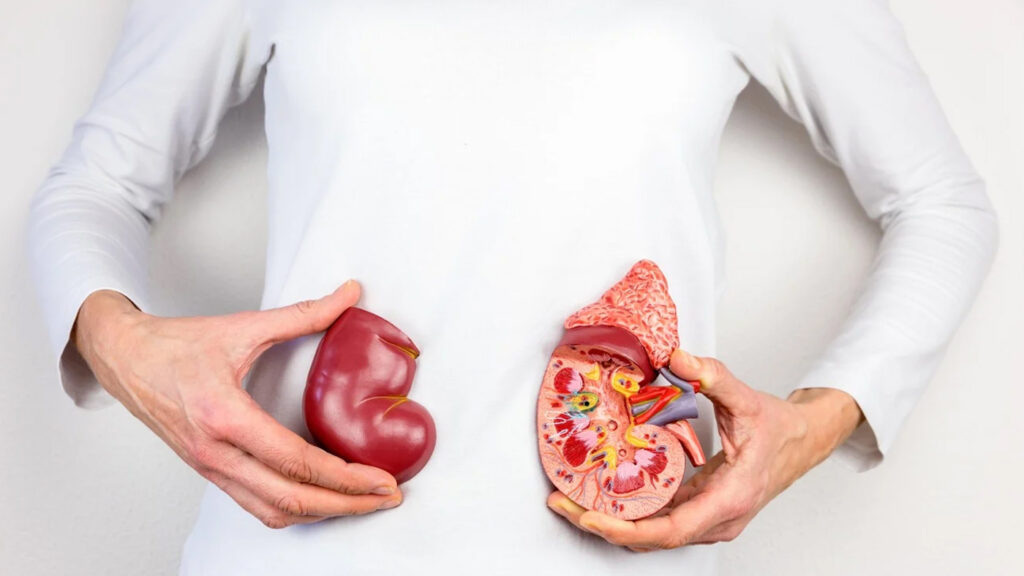
What Do the Kidneys Do?
The kidneys perform many important functions in our body:
✔ They filter the blood and remove toxins and waste products.
✔ They regulate water and electrolyte balance in the body.
✔ They produce hormones that control blood pressure.
✔ They support the production of red blood cells.
✔ They help maintain bone health.
However, the kidneys can lose their function for various reasons.
What Causes Kidney Diseases?
Kidney diseases usually progress insidiously and may not show symptoms in the early stages. Here are the main factors that threaten kidney health:
- Chronic Diseases: Diabetes and high blood pressure are among the most common causes of kidney failure.
- Kidney Infections: Recurrent infections can damage the kidneys.
- Genetic Factors: Hereditary diseases such as polycystic kidney disease can affect kidney function.
- Poor Diet: Too much salt, sugar and processed food can harm kidney health.
- Medication Use: Uncontrolled use of painkillers and antibiotics can damage the kidneys.
When the kidneys lose their function over time, patients may need dialysis treatment.
What Is Dialysis and How Does It Work?
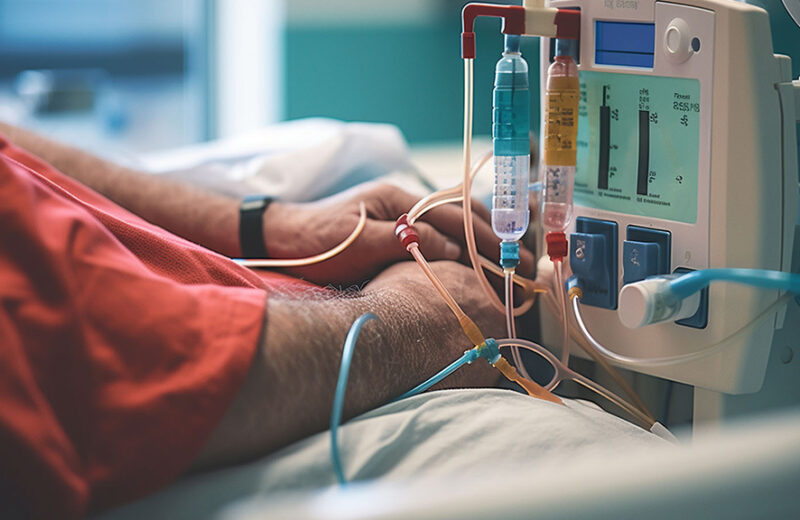
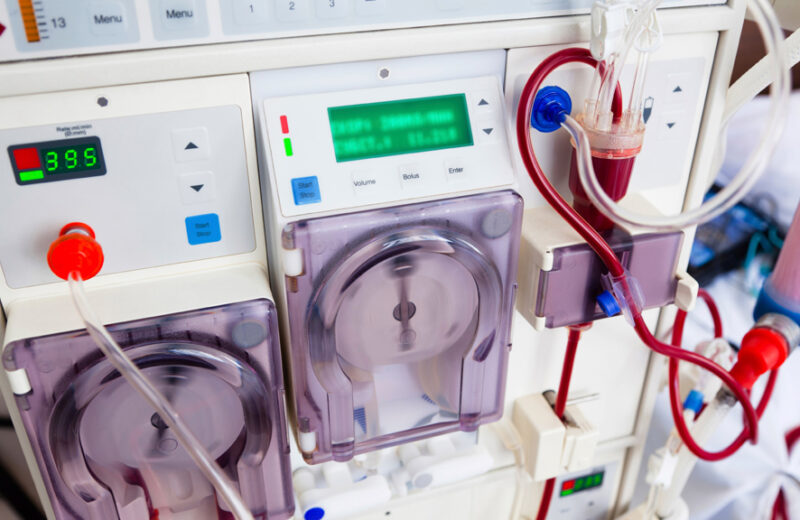
Dialysis is a treatment method that clears toxins and excess fluid from the body when the kidneys are not working sufficiently. There are two main types of dialysis:
- Hemodialysis:
- The patient goes to a dialysis center at regular intervals, where their blood is cleaned by a special machine.
- The procedure is usually performed 2–3 times a week, and each session lasts 4–5 hours.
- Peritoneal Dialysis:
- A special fluid is introduced into the patient’s abdominal cavity to remove toxins and excess fluid from the body.
- It can be done at home and is more comfortable for some patients.
Although dialysis is a vital treatment when kidney function has been completely lost, a kidney transplant can be the most effective long-term solution.
Tips for Protecting Kidney Health
To protect yourself from kidney disease and avoid the need for dialysis, follow these tips:
✔ Drink plenty of water: Drinking at least 2–2.5 liters of water a day supports healthy kidney function.
✔ Reduce salt: Too much salt strains the kidneys and can cause hypertension.
✔ Eat a balanced diet: Stay away from sugar, processed foods and unhealthy fats.
✔ Keep your blood pressure and blood sugar under control: High blood pressure and diabetes can damage the kidneys.
✔ Stay away from smoking and alcohol: These harmful habits negatively affect kidney function.
✔ Exercise regularly: Physical activity helps keep the kidneys healthy.
✔ Don’t neglect medical check-ups: People in high-risk groups in particular should have their kidney function checked regularly.
Kidney health is critical for overall health. Factors such as diabetes, high blood pressure and poor diet can lead to kidney disease. Although dialysis is a life-saving treatment for patients with advanced kidney failure, this process can be prevented with early diagnosis and preventive measures.
If you have concerns about your kidney health, it is important to consult a specialist and take early precautions. Healthy kidneys are the key to a healthy life!